What temperature should you cover balcony plants at?
A 12-city frost study by Balcony Plants (balconyplants.co), from last winter's real forecasts.
Why we ran this study
Every autumn the advice is the same: cover your plants when the forecast says frost, usually at 0°C (32°F). But the forecast measures the air, and a pot on a balcony isn't the air. We wanted to know how often that rule leaves a balcony pot out in the cold, so we took last winter's real forecasts for 12 cities in the US, Canada and Europe and ran them through the model behind Balcony Plants. These are model estimates, not thermometer readings, and the method is at the bottom of the page.











The 32°F rule misses about a third of balcony frosts
Here's what Balcony Plants' model found across 12 cities, from 1 October 2025 to 30 April 2026:
On 260 of the 838 nights a pot on the railing reached frost, the forecast low was above freezing. That's 31% of them.
Covering at the usual 0°C (32°F) would have caught 69% of those frost nights. In Seattle, only 16%.
Covering at 4°C (39°F) caught 99%, and 95% or more in every one of the 12 cities.
The mildest cities had the biggest gap. Seattle's forecast showed frost on 8 nights; the model put a pot on the railing at frost on 49. London: 4 against 14.
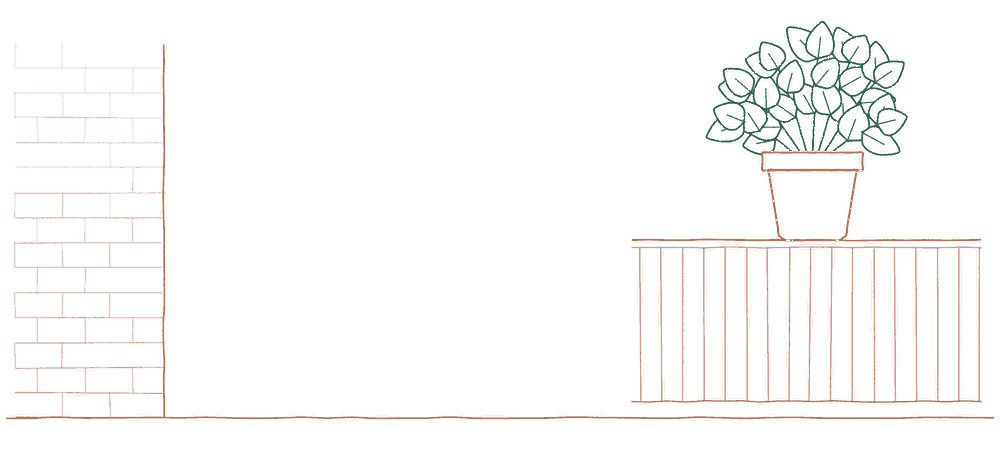
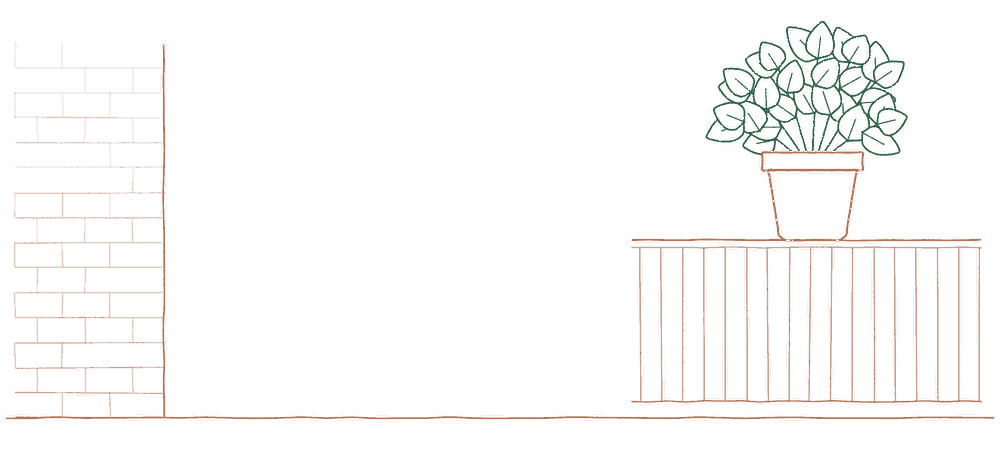
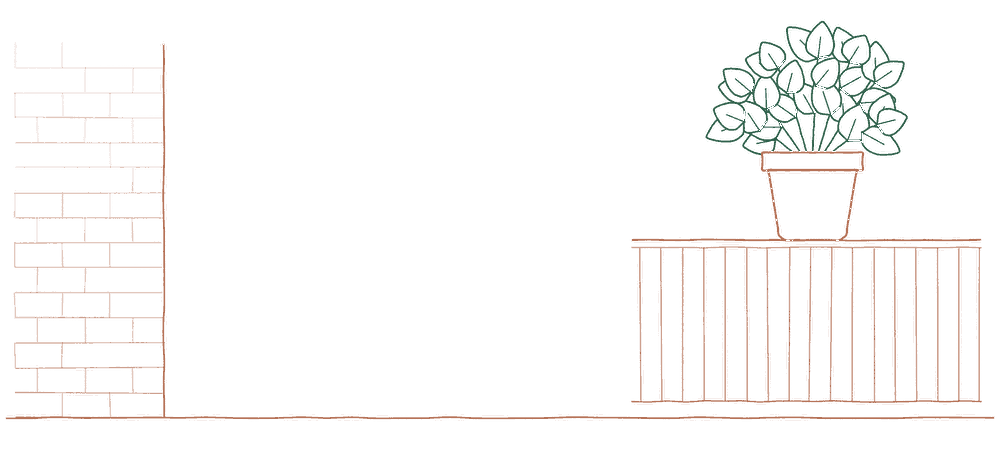
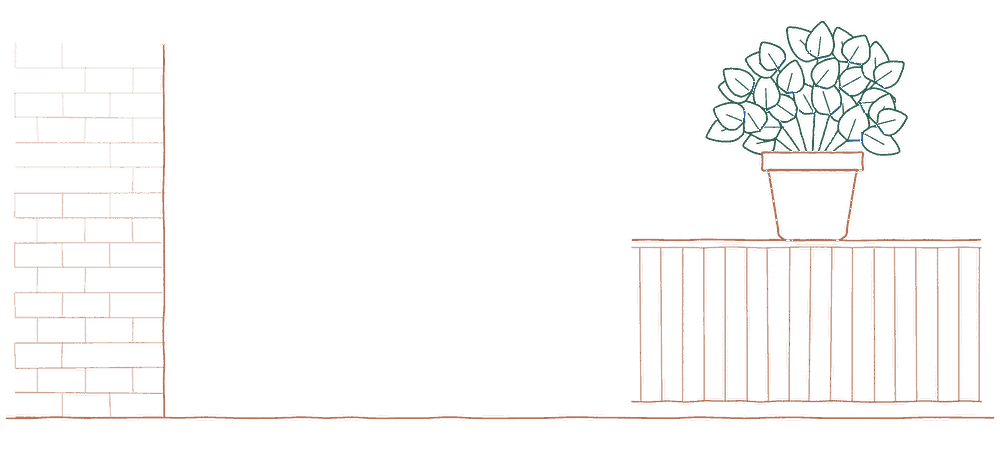
Moving the pot from the railing to the wall cut those surprise frosts by 72%.
4°C (39°F) or colder
You'd have caught 99% of last winter's balcony-pot frost nights
| If you cover when the forecast low is | You catch this share of balcony-pot frost nights |
|---|---|
| 0°C (32°F) | 69% |
| 1°C (34°F) | 81% |
| 2°C (36°F) | 90% |
| 3°C (37°F) | 96% |
| 4°C (39°F) | 99% |
12 cities, 1 October 2025 to 30 April 2026, a pot on the railing of a low-floor balcony. Balcony Plants' model.
Why a pot freezes when the forecast says it won't
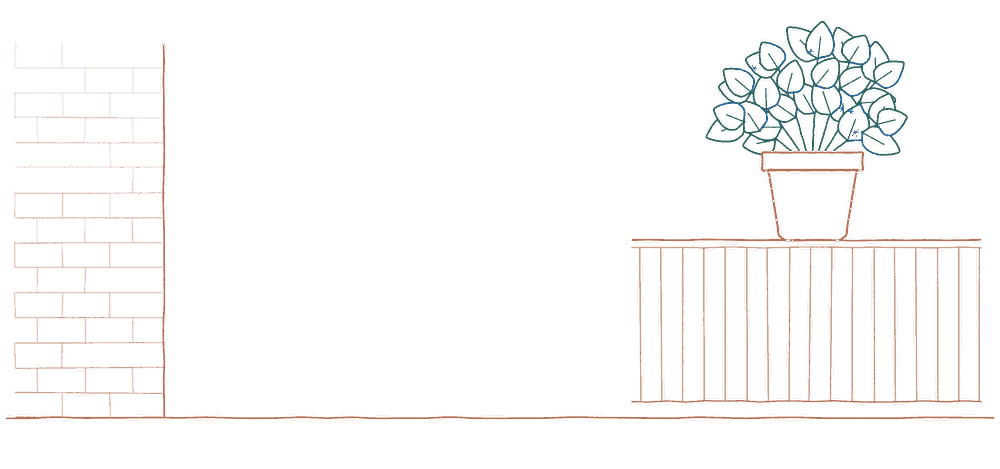
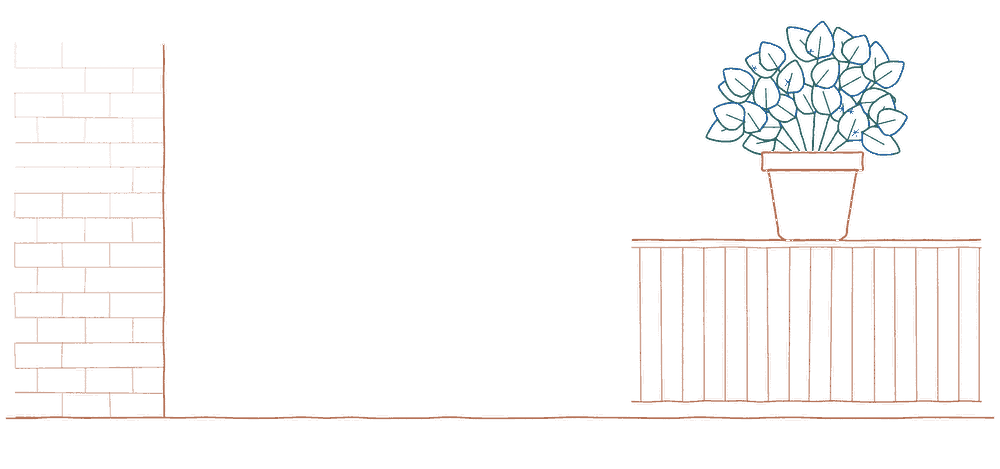
An example night, by our model: forecast low 3°C (37°F), clear sky, no wind.


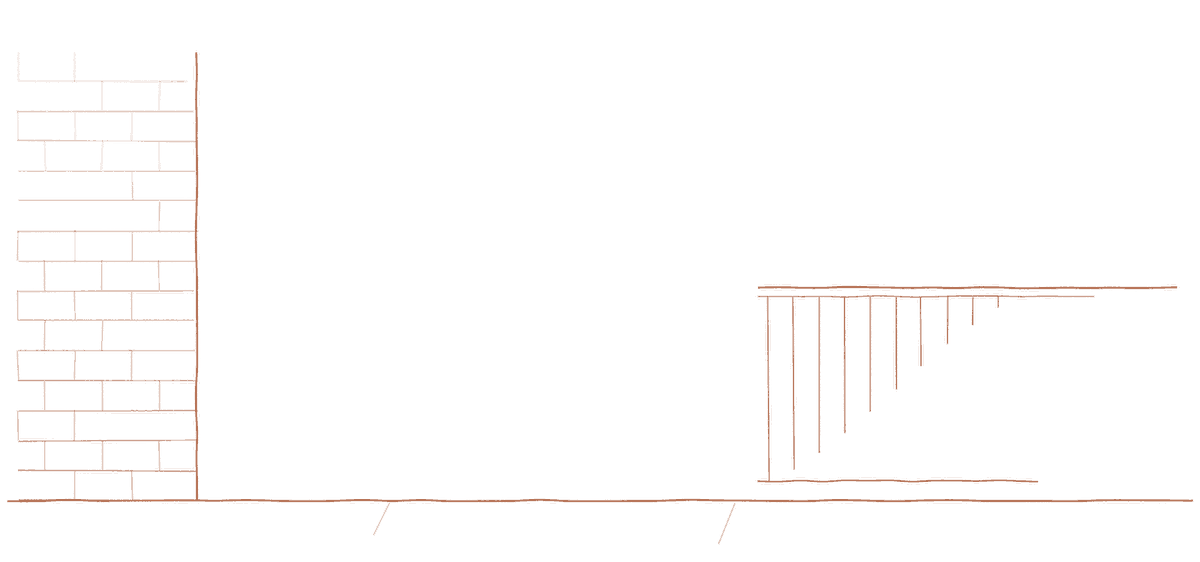
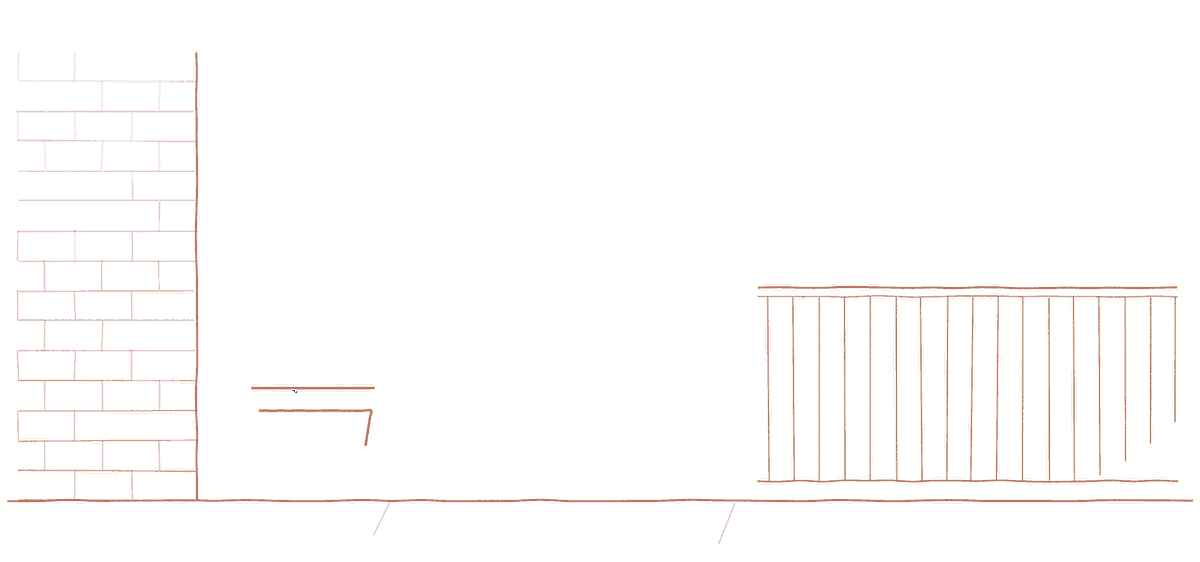
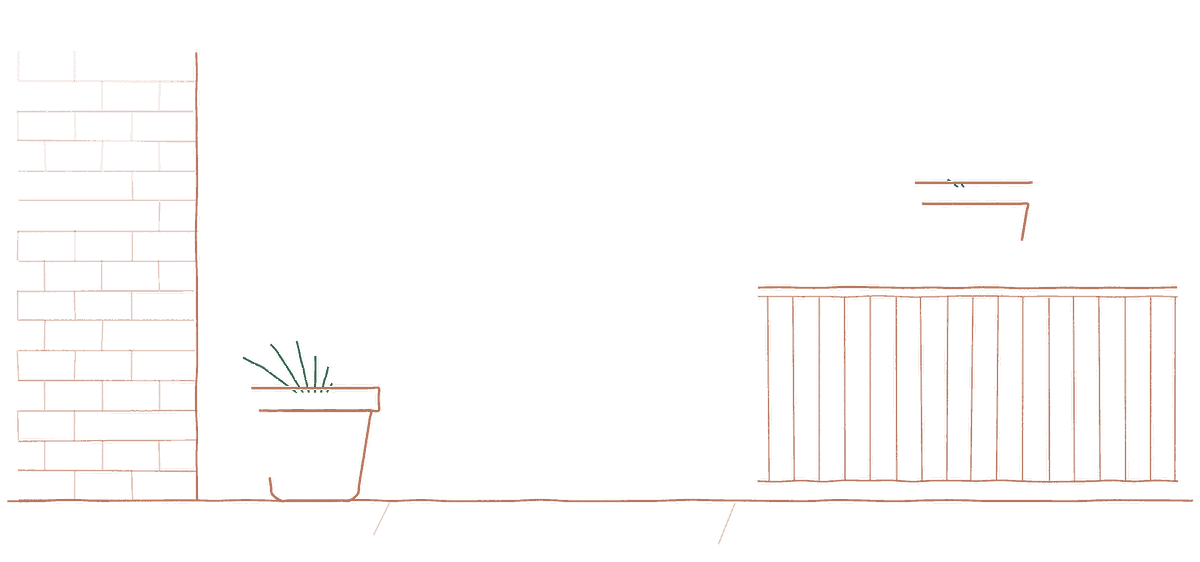
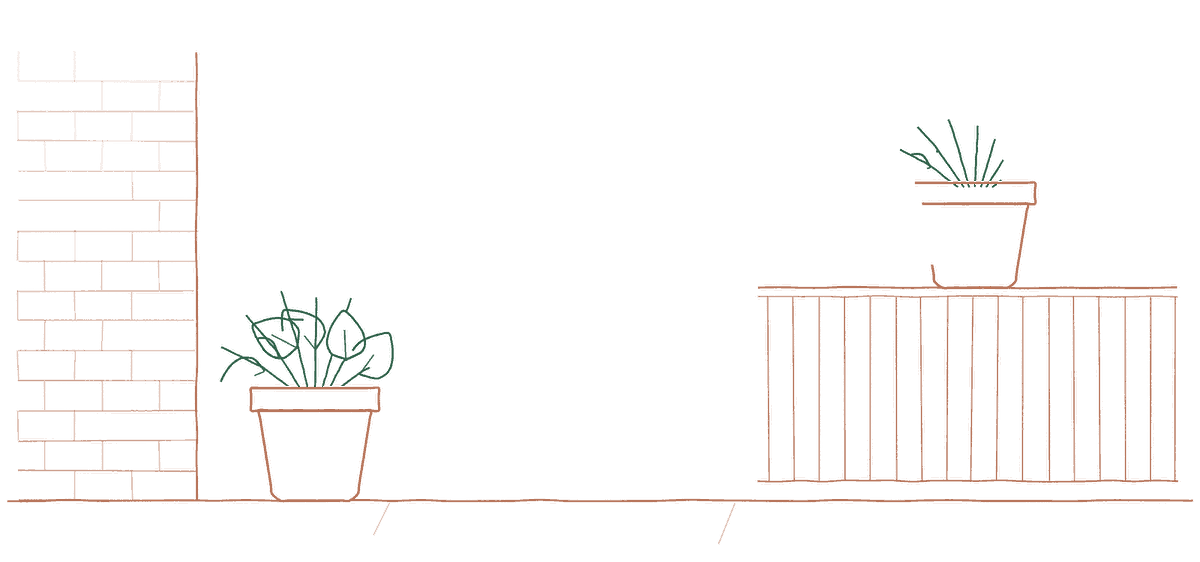
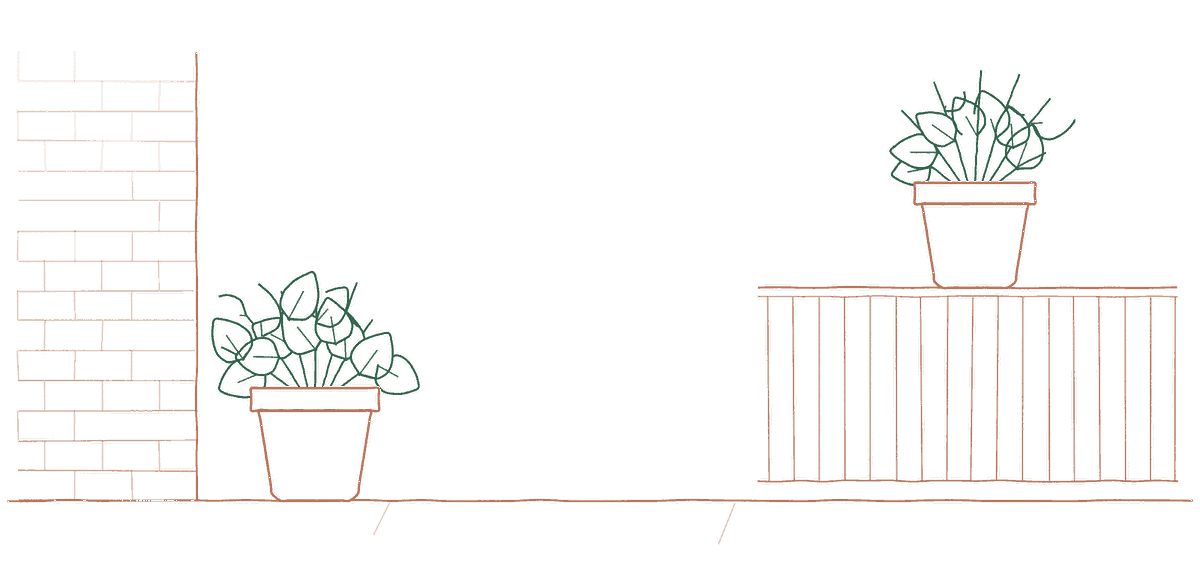
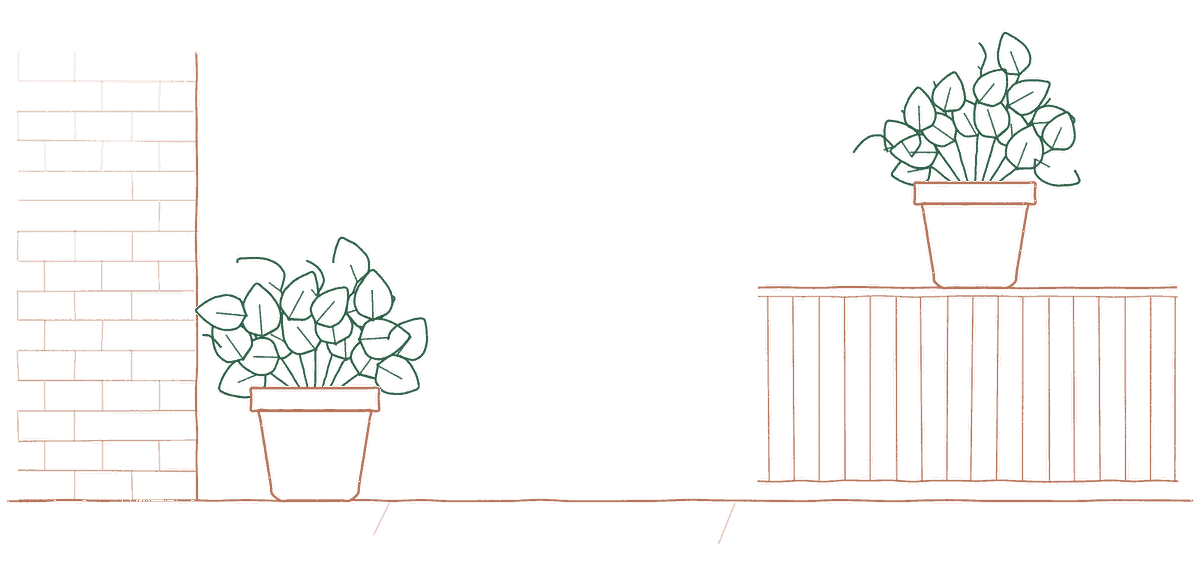
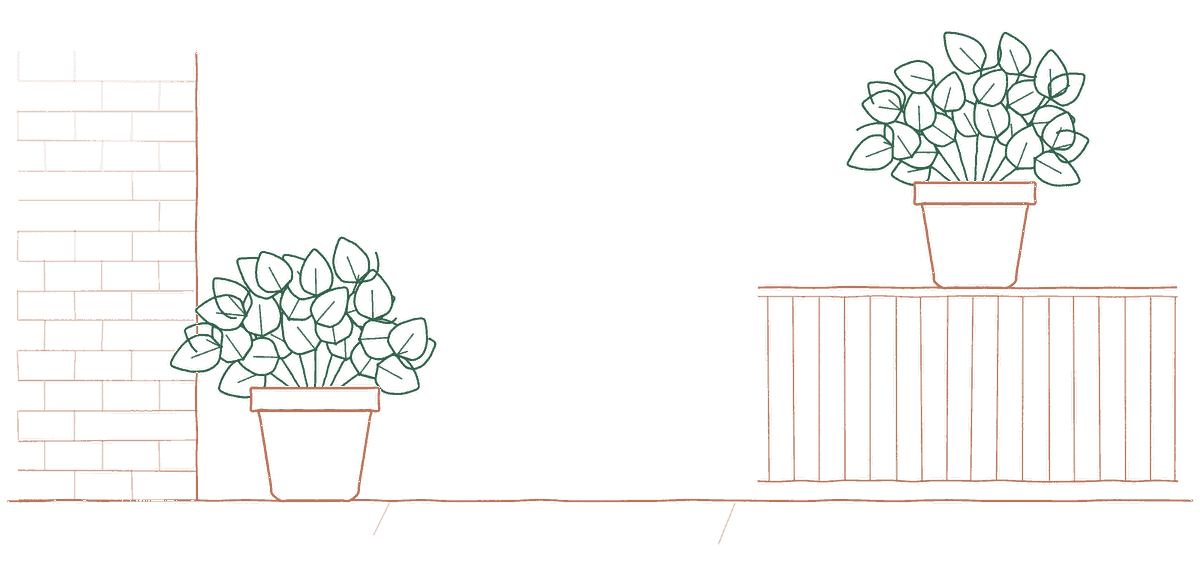
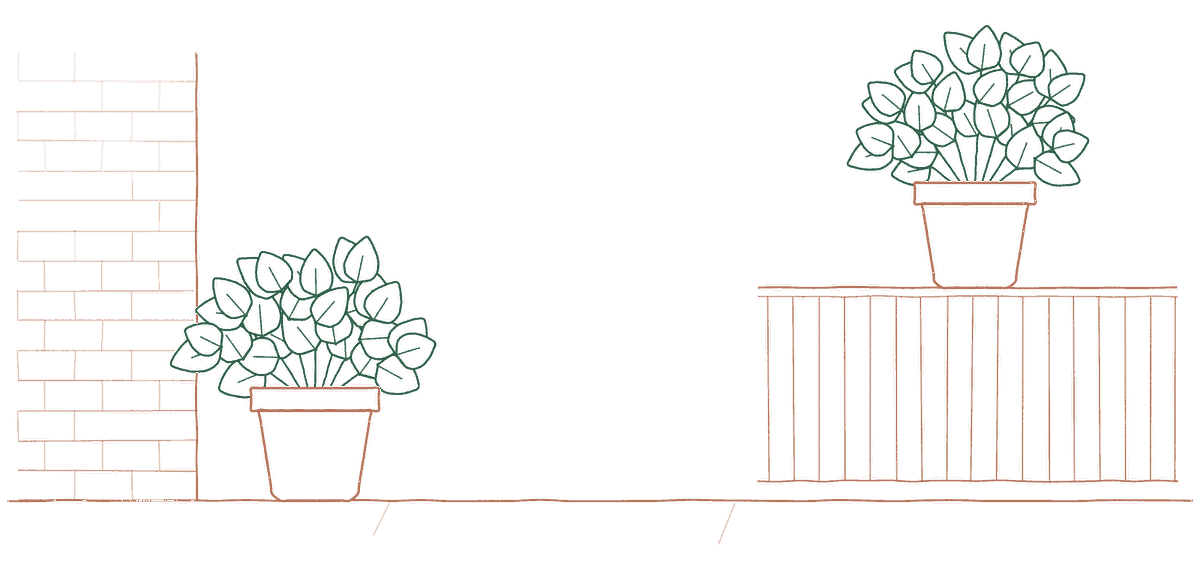


- Forecast (the air)
- 3°C37°F
- Pot against the wall
- 1.5°C35°F
- Above freezing
- Pot on the railing
- −2°C28°F
- Frost
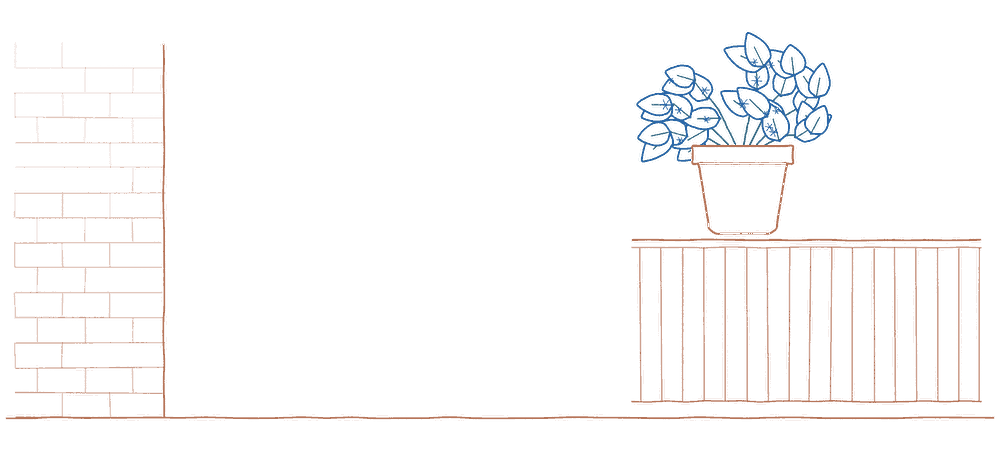
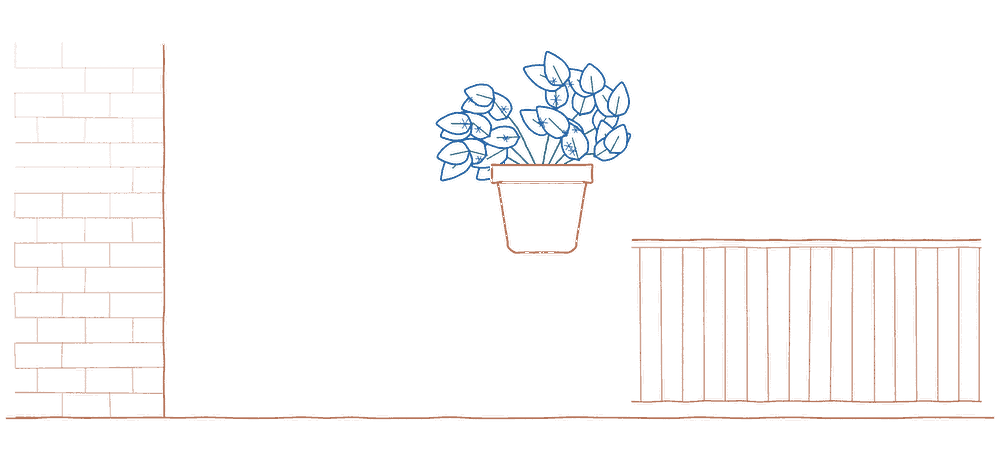
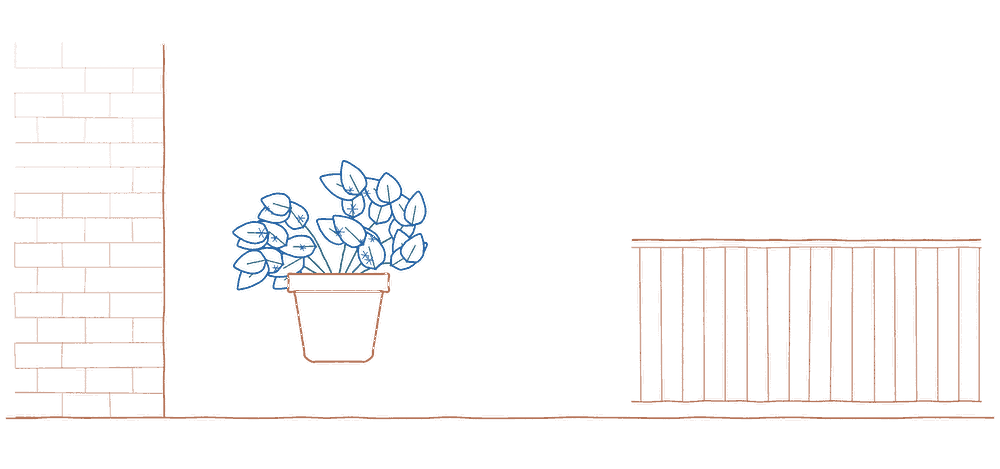
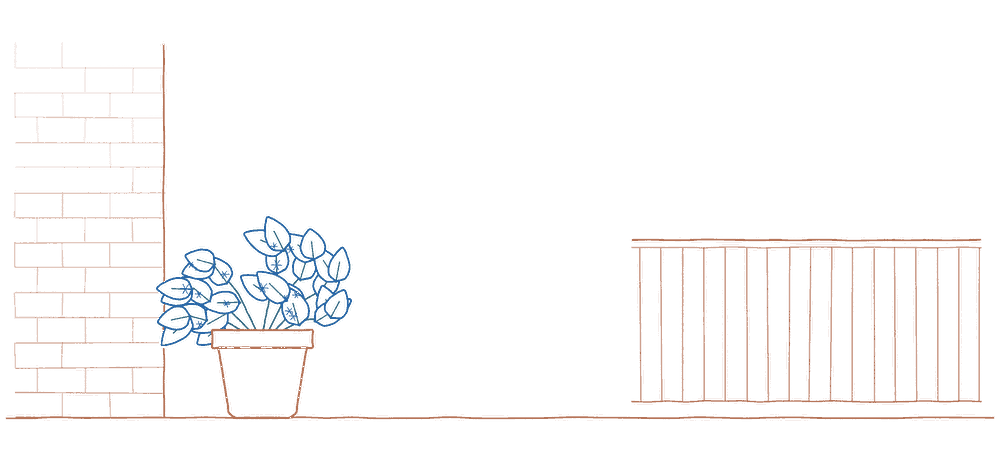
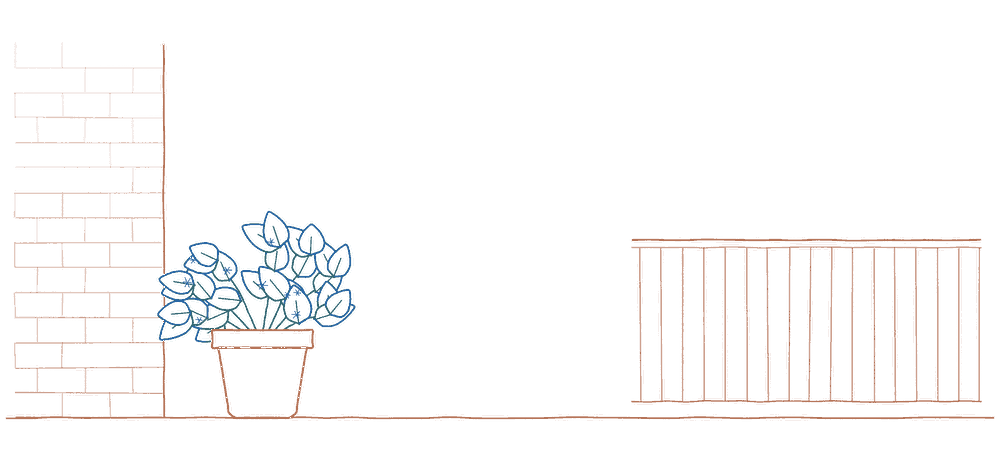
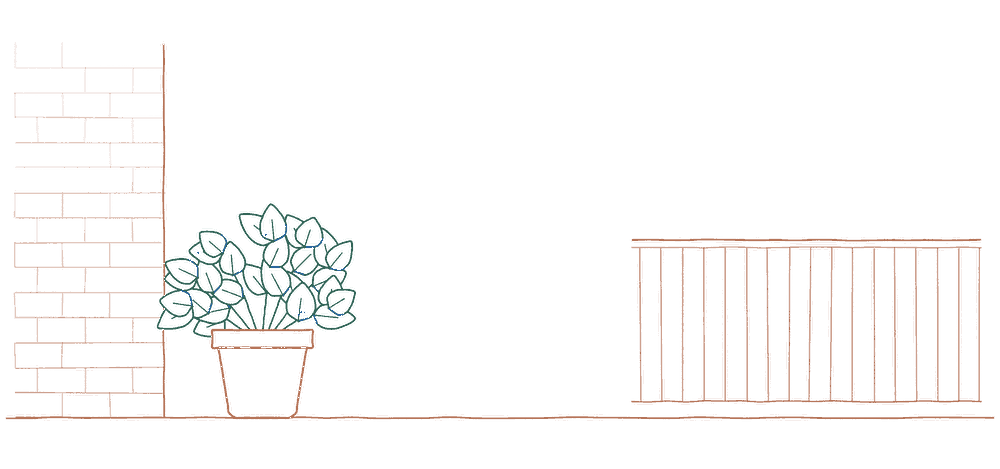
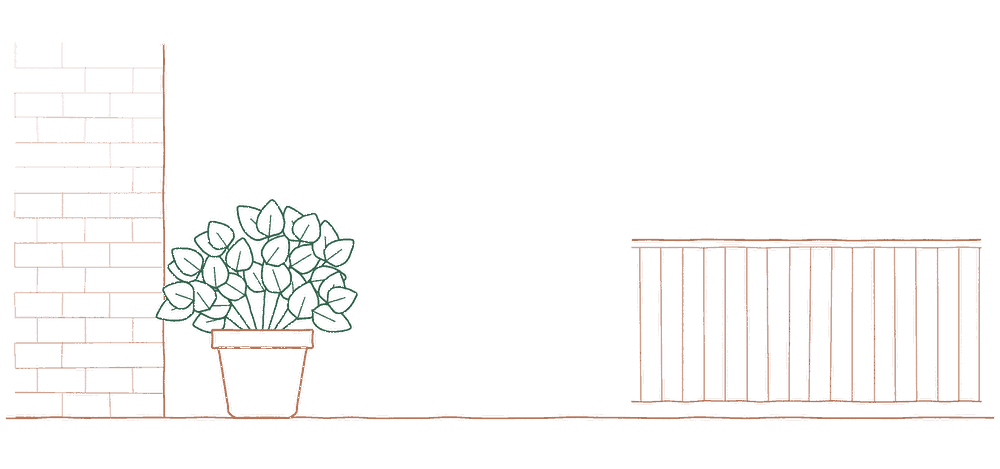
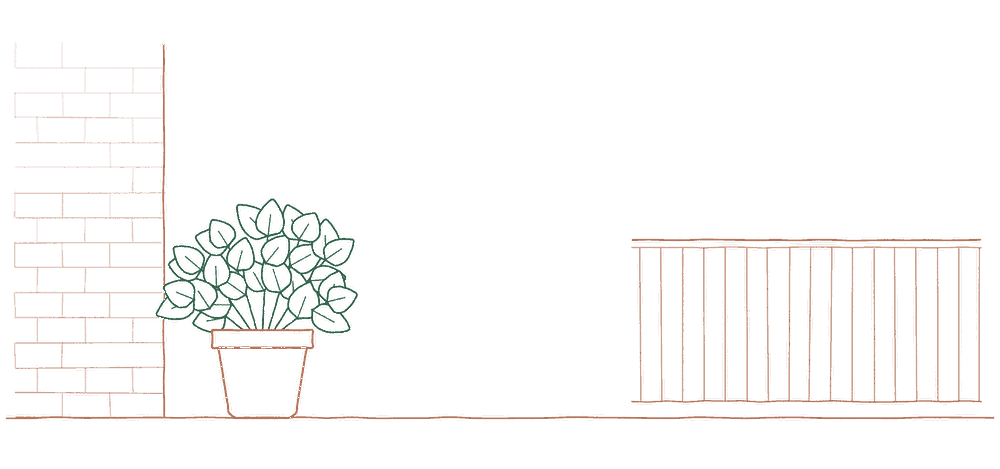
- 9pm. The forecast low is 3°C (37°F). Above freezing, so the pots stay out.
- Clear sky, no wind. The air holds at 3°C, but the pots keep giving off heat to the sky.
- By dawn the pot against the wall is at 1.5°C (35°F). The one on the railing is at -2°C (28°F): frost, on a night the forecast called safe.
The forecast low is the temperature of the air about 2 m (6.5 ft) up, out in the open. Your pot isn't the air. On a clear, still night, anything with a view of the open sky loses its heat to it and ends up colder than the air around it, which is why the grass can be white with frost while the official reading is still above freezing. It's also why some US weather offices issue frost advisories for forecast lows of 32 to 36°F (0 to 2°C) (National Weather Service). A pot on a railing is in the same spot: the forecast reads the air, not the pot.
By our model, that drop is up to 5°C (9°F) for a pot on the railing, and up to 1.5°C (2.7°F) for one against the wall, which hangs on to some of the day's warmth. Cloud or a breeze cancels most of it. So the surprise frosts land on the calm, clear nights, the ones that feel the safest. (More on why your balcony runs its own weather: why your weather app is wrong about your balcony.)
City by city
A “surprise frost” is a night the forecast low stayed above freezing and the model still put a pot on the railing at frost.
| City | Nights the forecast showed frost | Nights a railing pot hit frost | Surprise frosts |
|---|---|---|---|
| New York | 82 | 101 | 19 |
| Chicago | 93 | 119 | 26 |
| Washington DC | 69 | 102 | 33 |
| Seattle | 8 | 49 | 41 |
| Denver | 69 | 108 | 39 |
| Toronto | 111 | 137 | 26 |
| City | Nights the forecast showed frost | Nights a railing pot hit frost | Surprise frosts |
|---|---|---|---|
| London | 4 | 14 | 10 |
| Manchester | 10 | 20 | 10 |
| Paris | 15 | 21 | 6 |
| Berlin | 56 | 81 | 25 |
| Amsterdam | 18 | 27 | 9 |
| Vienna | 43 | 59 | 16 |
The gap is widest where frost is rare. In Seattle, London and Manchester the forecast barely mentions frost, so a balcony grower there has the least warning. In Toronto, where frost is common, the forecast showed it on 111 nights and a railing pot reached it on 137.
Your balcony's first frost comes early
Last autumn, the model's first frost on a railing pot came weeks before the forecast's first frost in Berlin, Vienna, Amsterdam, Chicago and Washington DC. London's forecast didn't show a single frost night before January, and the model had a railing pot at frost in mid-November.
So “it's only October” isn't the all-clear it sounds like.
What to do with this tonight
- Cover at 39°F (4°C), not 32°F. When the forecast low is 4°C (39°F) or below and the night looks clear and still, cover the tender pots or bring them in.
- Pots off the railing, against the wall. In the model it cut surprise frosts by 72%, and it takes a minute.
- Tender plants first. In our plant list, basil is at risk from 4°C (39°F), peppers from 3°C (37°F) and tomatoes from 0°C (32°F). Rosemary is fine down to -5°C (23°F).
How to cover them, and what each plant can take: how to protect balcony plants from frost.
Your balcony, every night
This study is the model behind Balcony Plants, run on a whole winter at once. For your balcony, it runs on your forecast. Tell us 4 things (your city, which way the balcony faces, which floor, and your plants), and when one of them is at risk you hear about it the day before:
2 plants at frost risk tomorrow night (~-2 to 0°C)
Then a short list under “Before dark tomorrow”, plant by plant. On the other nights, it stays quiet. $9.99, paid once, no subscription.
How we did it
- The forecasts: Open-Meteo's archive of past forecasts, meaning what the forecast said at the time, not what happened later. 12 cities, 1 October 2025 to 30 April 2026, 211 nights each.
- The forecast low: the coldest forecast air temperature between 9pm and 7am.
- The pot: Balcony Plants' night model, the same one behind our frost alerts. On a clear, still night a pot on the railing can drop up to 5°C (9°F) below the air, and a pot against the wall up to 1.5°C (2.7°F). Cloud and wind shrink the drop. That 5°C ceiling sits inside what's been measured: the US National Weather Service says the air right by the ground can be 5 or more °F (about 3°C) colder than the official reading on a clear, calm night, and field measurements in Utah found turf up to 16°C (29°F) colder than the air.
- A frost night: the pot estimate reaches 0°C (32°F) or below.
- Floors and directions: we ran a ground, low and high floor. The share of surprise frosts barely moves (28%, 31%, 28%), so the tables show a low floor. Which way the balcony faces doesn't change the night number, because there's no sun to catch.
- The honest limit: this is a model, not thermometers on real balconies (putting some out there is on our list; we haven't yet). And since the model never drops a pot more than 5°C below the air, “cover at 5°C” would catch every frost here by design. That's why we point to 4°C (39°F), the number the real forecasts produced.
- The data: download the full table (CSV), all 12 cities and all 3 floors.
FAQ
What temperature should I cover my balcony plants at?
When the forecast low is 4°C (39°F) or below on a clear, still night. In Balcony Plants' model of last winter's forecasts for 12 cities, covering at 4°C caught 99% of the nights a pot on the railing reached frost, while the usual 0°C (32°F) rule caught 69%. Start with the tender ones: basil, peppers and tomatoes.
Can frost form on a balcony when the forecast is above freezing?
Yes. On a clear, still night a pot with a view of the open sky loses heat and can end up colder than the air the forecast measures. In Balcony Plants' model, 260 of 838 balcony-pot frost nights last winter (31%) came with a forecast low above freezing, some with a forecast low as high as 4.5°C (40°F).
Is it safer to keep pots against the wall on a cold night?
Yes. A wall hangs on to some of the day's warmth and blocks part of the open sky. In Balcony Plants' model, a pot against the wall had 72% fewer surprise frost nights than one on the railing: 72 against 260, across 12 cities last winter.
Does a higher floor make frost worse?
Barely. A higher balcony sees a little more open sky, but it also gets more wind, and wind stirs the air and cancels part of the chill. In Balcony Plants' model, the share of surprise frosts was 28% on a ground floor, 31% on a low floor and 28% on a high floor.
Your balcony isn't average, so 39°F isn't your number. Tell us your city, direction, floor and plants, and we'll tell you the day before a plant is at risk.